
7 Septic Maintenance Tips to Avoid Costly Repairs
Septic maintenance is the routine care that keeps a septic tank and drainage field working safely and efficiently. It includes sensible water use, regular inspections, timely pumping, careful drain habits and prompt repairs. For Great Falls, SC homes and businesses, consistent septic maintenance helps prevent backups, odours, property damage and expensive emergency work.
Why is septic maintenance important?
A septic system quietly manages household or commercial wastewater every day. Solids settle in the tank, natural bacteria break down some waste, and liquid flows into the drainage field. When the system is neglected, solids can build up, pipes may become blocked and wastewater can reach the surface or back up into the property.
Good septic maintenance can help you:
- Extend the useful life of your tank and drainage field
- Reduce the risk of sewage backups and foul odours
- Protect lawns, soil, groundwater and nearby waterways
- Identify small faults before they become major repairs
- Budget for planned pumping instead of emergency service
The right schedule depends on tank size, household numbers, water use, waste levels, and soil conditions. A family of four may need different care from a business, rental property, or seasonal home. If you are unsure where to start, arrange a professional septic inspection.
7 septic maintenance tips that make a difference
1. Schedule septic pumping before the tank is full
Pumping removes the layer of settled solids and floating scum that naturally accumulates inside the tank. Waiting until wastewater backs up is risky because solids may already have moved towards the drainage field, where they can cause long-term damage.
Many properties need pumping every three to five years, but this is only a general guide. Larger households, older systems, high water use and garbage disposals can shorten the interval. Keep a record of each service date and ask the technician to recommend the next one.
Professional septic pumping is a practical investment in the whole system, not just a response to an unpleasant emergency.
2. Use water more efficiently
Septic systems process wastewater gradually. Sending too much water into the tank in a short period can stir up solids and overload the drainage field.
Spread water use throughout the week when possible. Repair dripping taps and running toilets, use full dishwasher and washing machine loads, and avoid running several water-intensive appliances at once. Water-efficient fixtures can also reduce stress on the system.
This matters particularly after heavy rain. A saturated drainage field may have less capacity, so reducing unnecessary water use can help prevent slow drains and surface pooling.
3. Be careful about what goes down the drain
Your toilet is not a general waste bin, and the sink is not a disposal point for chemicals or grease. Items that do not break down easily can block pipes or accumulate in the tank.
Keep these materials out of the system:
- Wet wipes, nappies, sanitary products, and paper towels
- Cooking oil, grease, paint, solvents, and harsh chemicals
- Coffee grounds, cat litter, and household rubbish
- Medication and large quantities of antibacterial cleaners
Toilet paper and normal wastewater are designed for the system. When cleaning products are needed, use them sparingly and follow the product instructions.
4. Protect the drainage field
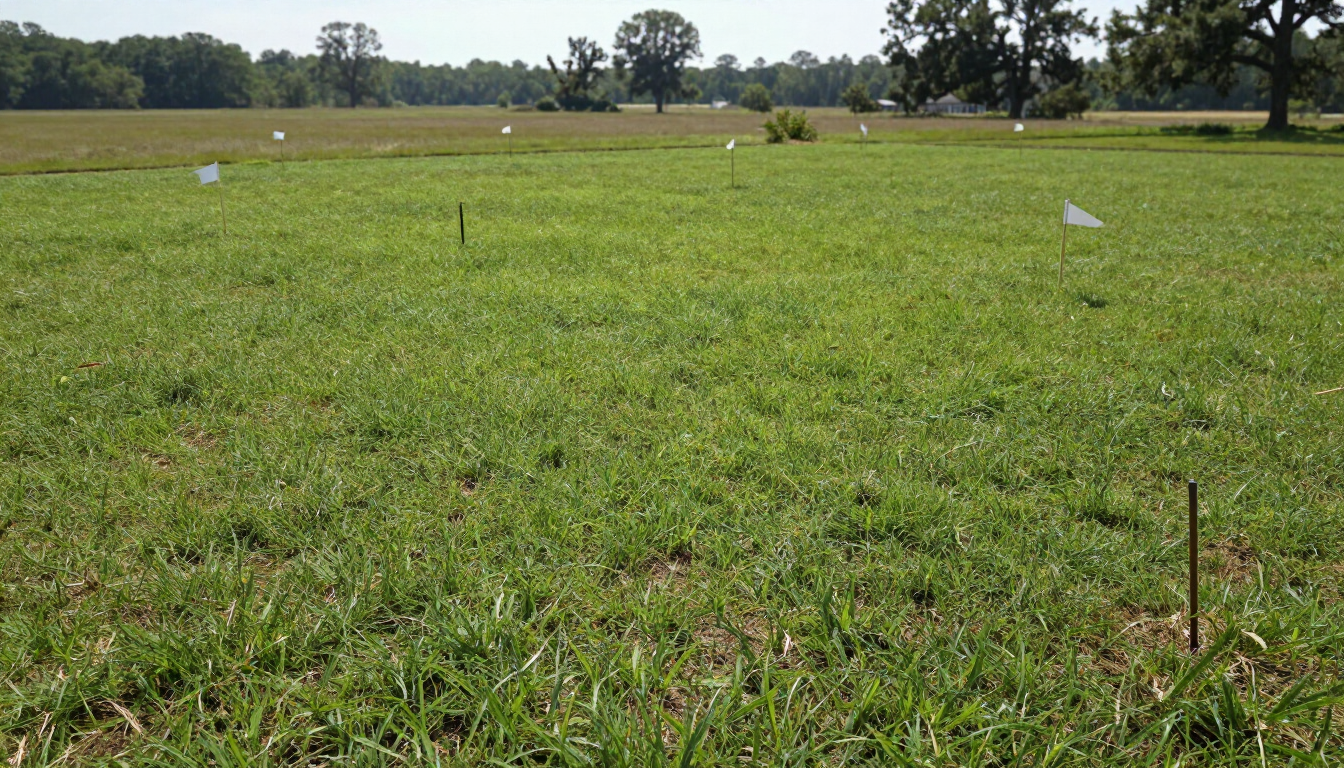
The drainage field needs open, stable soil so wastewater can disperse and receive natural treatment. Do not drive vehicles, park trailers, or place heavy structures over it. Compacted soil makes it harder for the field to absorb liquid.
Avoid planting trees or large shrubs close to septic components because roots can interfere with pipes and tanks. Keep the area covered with grass or other shallow-rooted ground cover, and make sure rainwater from roofs, gutters, and paved areas is directed away from it.
If water regularly collects near the field, a drainage solutions assessment may be useful. Surface water and septic wastewater should not be allowed to mix.
5. Know where the tank and pipes are located
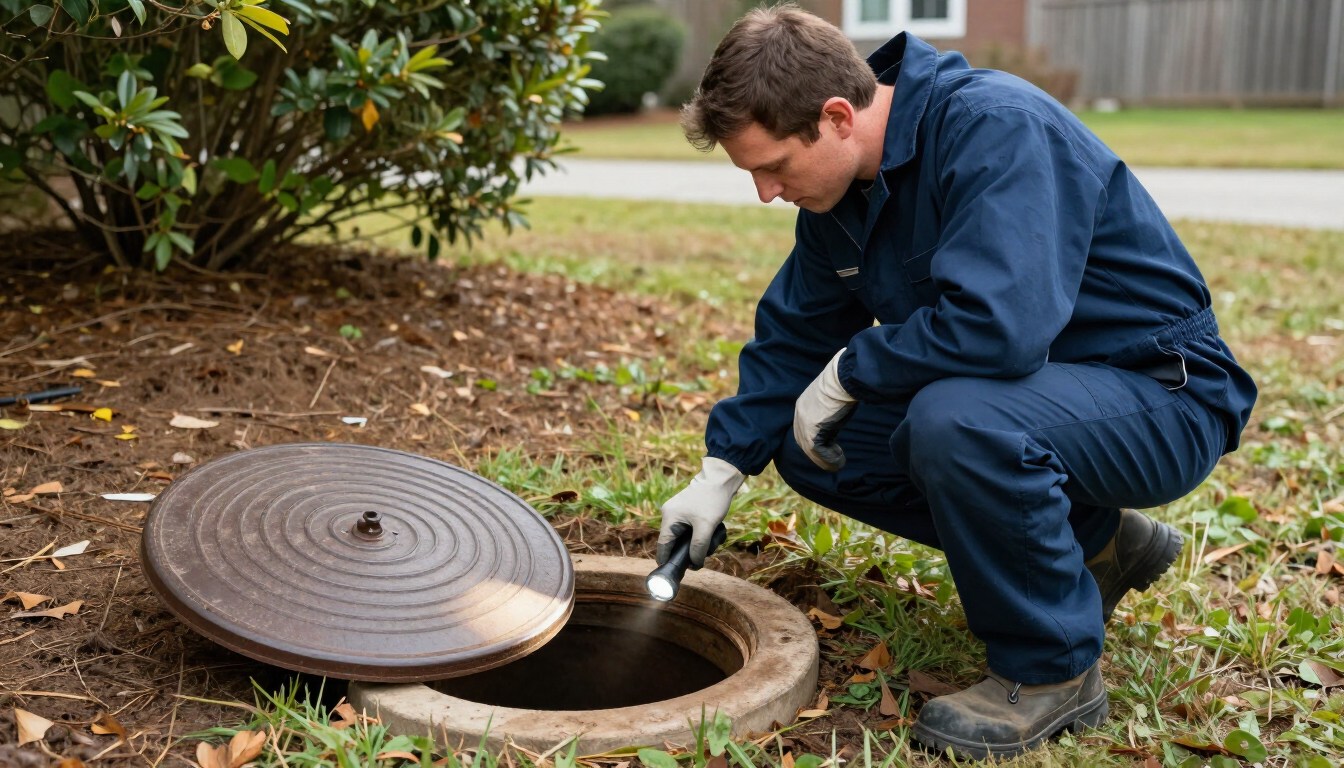
A hidden tank is easy to forget until access is urgently needed. Mark the tank lid and record the approximate location of the inlet, outlet, and drainage field. Keep access points clear so a technician can reach them without unnecessary digging.
A simple site sketch can help future owners, contractors and service providers. Include nearby buildings, driveways, wells, fences and mature trees. Before landscaping, excavation or adding a shed, confirm that the work will not affect buried components.
For property improvements, speak with an excavation professional through Excavation before machinery enters the area.
6. Arrange inspections when circumstances change
A septic inspection is sensible when buying or selling a property, after a major renovation, before adding bedrooms or when the system’s history is unknown. It can also help if the property has been vacant for a long period or if drainage conditions have changed.
An inspection may include checking access points, tank condition, liquid levels, baffles, filters, pipes and visible parts of the drainage field. It does not replace pumping or repair, but it gives you a clearer picture of what the system needs next.
For homes and businesses in Great Falls and nearby communities, local conditions and previous maintenance records can make a professional assessment more useful than a generic timetable.
7. Respond to warning signs quickly
Slow drains do not always mean a simple indoor blockage. If several fixtures drain slowly, or if toilets gurgle when sinks or washing machines run, the septic system may need attention.
Other warning signs include sewage odors, unusually green grass over the drainage field, standing water, damp patches, and sewage surfacing or wastewater backing up into showers and toilets. Do not ignore these symptoms or cover them with air freshener, soil, or grass seed.
A prompt septic repair assessment may prevent contaminated soil, structural damage and a more disruptive failure.
How often should a septic tank be serviced?
Most septic tanks should be inspected at least every three years and pumped when the solids and scum layers reach the recommended levels. Many households pump every three to five years, but there is no universal schedule.
Your service interval may be shorter if you have:
- A large household or frequent visitors
- A small tank or older septic system
- High water use or a garbage disposal
- A business with changing occupancy
- Previous backups, drainage problems, or poor soil conditions
The safest approach is to combine a written maintenance record with professional inspections. Ask for the tank size, measured sludge levels, and a recommended next service date rather than relying only on an estimate.
What should you never put in a septic system?
Never flush wipes, nappies, sanitary products, paper towels, grease, oils, paint, solvents, or household rubbish. These materials can block plumbing, disturb the biological balance in the tank, or move into the drainage field.
Use only normal amounts of septic-safe cleaning products, and never pour chemicals down a drain simply because they are labelled as liquid. When you are uncertain about a product, dispose of it according to local waste guidance instead.
What should you do during a septic emergency?
If wastewater is backing up, stop using toilets, sinks, showers, washing machines, and other water fixtures. Keep children and pets away from sewage or standing water, and avoid contact with contaminated areas. Do not open the tank, attempt to pump it yourself, or drive over the drainage field.
Call a qualified septic professional for an assessment. Acting quickly helps limit damage and identifies whether the cause is a blockage, full tank, damaged pipe, drainage-field issue, or another fault.
A simple septic maintenance checklist
Use this short checklist to keep routine care manageable:
- Record the tank location, size, and last pumping date
- Check for slow drains, odors, wet ground, or unusual grass growth
- Spread laundry and high-volume water use across the week
- Keep grease, chemicals, and non-degradable items out of drains
- Arrange pumping or inspection based on measured conditions
Final takeaway
Septic maintenance is mostly about preventing avoidable strain: use water sensibly, protect the drainage field, keep harmful materials out of drains and arrange pumping before the tank becomes overloaded. Inspections are especially valuable when a property changes ownership, usage increases or warning signs appear. For homes and businesses in Great Falls, SC and surrounding communities, a local septic professional can help set a realistic schedule based on the tank, soil and daily water use. Review your service records, check for early symptoms and book the appropriate inspection, pumping or repair before a small issue becomes an emergency.