
Septic Tank Pumping in Great Falls
Skipping a scheduled pumping is one of the fastest ways to turn a routine maintenance task into an expensive repair. Ingram's Quality Septic provides routine and emergency septic pumping for homeowners and property managers throughout Great Falls, and the surrounding Piedmont region. Call (803) 374-3585 to schedule your next pumping before backups or slow drains become a bigger problem.
What Septic Pumping Involves
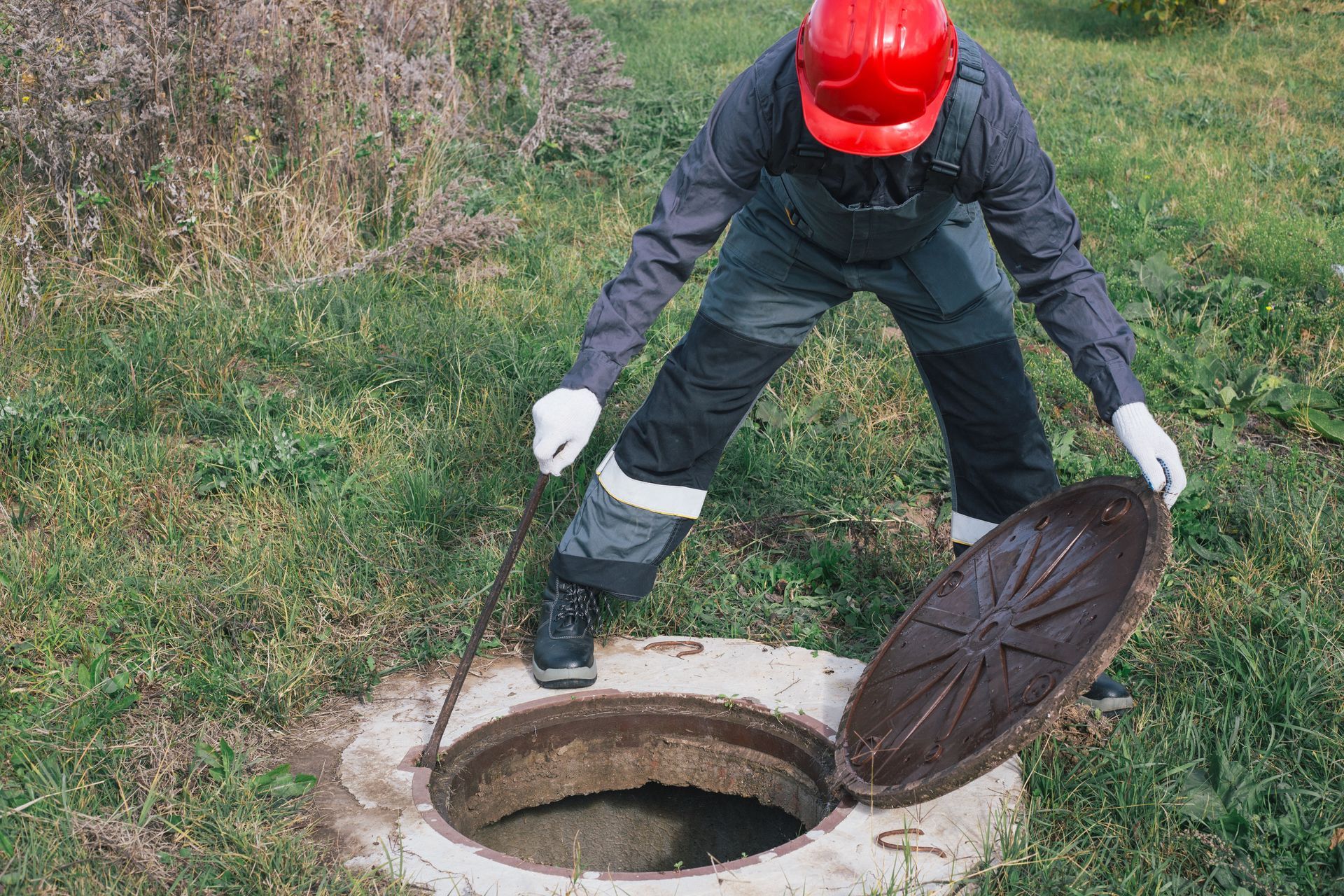
Pumping removes the solid waste and scum layer that build up inside your tank over time. Left alone, that buildup travels into your drain field and can cause damage that's far more costly to fix than a routine pumping visit. Our process includes:
- Locating and uncovering the tank access lid, even on older or unmarked systems
- Pumping out solids, sludge, and wastewater using vacuum trucks sized for residential and light commercial tanks
- Inspecting tank condition while it's open, including walls, baffles, and inlet/outlet pipes
- Checking for early warning signs of drain field trouble or tank damage
- Properly disposing of waste in accordance with state and local regulations
- Resealing the access point and restoring the ground around it when finished
How Often Your Tank Needs Pumping
Pumping frequency depends on tank size, household size, and daily water use, but a few general guidelines apply:
- Most residential tanks need pumping every three to five years.
- Larger households or homes with garbage disposals may need pumping more often.
- Homes with water softeners, hot tubs, or high water usage can also shorten the interval
- Rental and multi-family properties often benefit from more frequent inspections and pumping.
- A tank that's overdue often shows warning signs first, including slow drains, gurgling pipes, or soggy patches near the drain field.
Signs You Shouldn't Ignore
Certain symptoms mean pumping shouldn't wait for the next scheduled visit:
- Slow-draining sinks, tubs, or toilets throughout the house
- Gurgling sounds coming from drains or toilets
- Sewage odors near the tank, drain field, or inside the home
- Standing water or unusually green, spongy grass over the drain field
- Sewage backing up into the lowest drains in the house
If you're seeing any of these signs, it's worth a call before the issue escalates into a full system backup.
Pumping Now Prevents Repairs Later
A tank that goes years without pumping puts extra strain on the entire system. Solids that overflow into the drain field can clog the pipes and soil designed to absorb wastewater, and once that happens, the fix usually isn't another pumping visit, it's a drain field repair or replacement. Staying on a regular pumping schedule is one of the simplest, most affordable ways to protect your investment in your septic system.
Pumping Questions From Local Homeowners
How do I know when my tank was last pumped?
If you don't have records, we can often estimate based on tank size, household size, and current condition during your service visit.Is pumping messy or disruptive?
No. Our crews access the tank through the existing lid or a small excavation if the lid isn't marked, and we restore the area once the job is done.Can I be home while the tank is pumped?
You're welcome to be present, but it's not required. Just make sure the access area is reachable.Does pumping fix a failing drain field?
Pumping removes solids from the tank, but it can't repair a drain field that's already damaged. If your symptoms point to the drain field, we'll let you know during the visit.
Schedule Your Septic Pumping
Regular pumping is the easiest way to avoid backups, odors, and expensive drain field damage. Ingram's Quality Septic serves Great Falls, Fort Lawn, Richburg, Lancaster, Catawba, Edgemoor, Blackstock, Heath Springs, White Oak, Baskerville, Van Wyck, Kershaw, and Winnsboro with reliable, on-time pumping service.